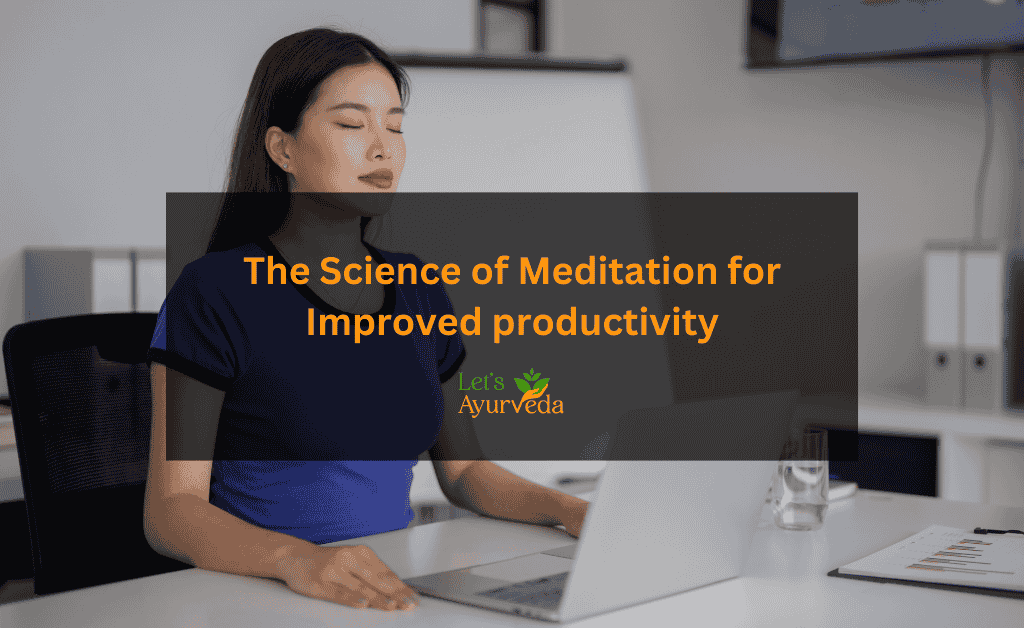
In a busy world filled with apps and tools meant to help us work faster, one habit is often ignored: meditation. It may sound odd that sitting quietly could help you get more done. But many people and plenty of studies show that it really does. Taking a few minutes to calm your mind can improve focus and help you work better. So how does being still actually help you move ahead?
The Productivity Paradox: Doing Less to Achieve More
At first glance, meditation and productivity seem like opposing forces. We're conditioned to believe productivity requires constant action and multitasking, yet meditation asks us to sit still and simply be present.
Our minds constantly gather thoughts throughout the day, and without perspective, these become disorganized and overwhelming. Meditation gives your mind a chance to "defragment itself"—like optimizing a computer's hard drive. When not bogged down by endless to-do lists, your mind can reorganize and function more efficiently.
What Science Reveals About Meditation and the Brain
The connection between meditation and productivity isn't just anecdotal—it's backed by neuroscience. Research has shown that meditation creates structural changes in areas of the brain responsible for cognitive and emotional processing, particularly increased cortical thickness associated with improved working memory and skilled decision-making.
A groundbreaking study at Harvard found that after just eight weeks of daily meditation, participants reported feeling more capable of acting with awareness, observing their thoughts, and remaining nonjudgmental. These aren't just feel-good benefits—they directly impact how effectively we work.
Additionally, research from Yale University discovered that mindfulness meditation decreases activity in the default mode network (DMN), the brain region responsible for mind-wandering. In practical terms, this means meditation helps tame the "monkey mind," allowing us to maintain focus on tasks instead of getting lost in distracting thoughts.
How Meditation Transforms Your Work Performance
Sharper Focus and Sustained Attention
One of meditation's most significant productivity benefits is its impact on focus. The practice involves constantly bringing your attention back to your breath or another focal point, which conditions your brain to concentrate more effectively. Cal Newport, author of Deep Work, emphasizes that high-quality work is a function of time spent and intensity of focus—and meditation directly enhances that intensity.
Research has demonstrated that just one session of meditation can improve focus and reduce mind-wandering by 22%. Over time, regular practitioners develop the ability to work in what one study described as "a state of concentrated calm or serene attention"—exactly what's needed for deep, productive work.
Reduced Procrastination and Better Time Management
Meditation doesn't just help you focus when you're working—it helps you actually start working. By creating mental clarity and reducing the anxiety that often triggers procrastination, meditation makes it easier to tackle challenging tasks. As Chris Bailey notes from his personal experience, meditation can dramatically reduce procrastination, which alone can more than compensate for the time invested in the practice.
The mindfulness cultivated through meditation also helps you recognize time-wasting habits and make more conscious choices about how you spend your working hours. You become more aware of when you're avoiding important tasks or getting sucked into low-value activities.
Enhanced Decision-Making and Creativity
When stress and mental clutter cloud our thinking, decision-making suffers. Meditation helps by reducing stress levels and creating the mental space needed for clearer, more strategic thinking. Instead of making impulsive decisions driven by anxiety or pressure, regular meditators can approach problems with greater calm and perspective.
Moreover, when your mind isn't constantly churning with worry and distraction, creativity has room to flourish. Many practitioners report experiencing breakthrough ideas during or shortly after meditation sessions—moments when the quieted mind finally has space for insights to emerge.
The Mind-Body Connection: Why Breathing Matters
Our breath connects intimately to our mental and emotional states. Meditation teaches conscious breathing, which influences our nervous system. When we maintain steady, aware breathing, our nervous system relaxes, reducing stress signals. This physiological calm translates directly into better focus and sustained mental energy.
Practical Benefits Beyond the Desk
Better Sleep, More Energy
The benefits of meditation extend beyond working hours. Regular practice often leads to falling asleep faster and experiencing deeper, more restorative sleep. This improved sleep quality provides both more time and more energy—two critical resources for productivity.
Stress Management and Emotional Regulation
Chronic stress releases cortisol, which impairs memory, focus, and decision-making. Meditation has been shown to reduce stress significantly, helping practitioners maintain emotional equilibrium even during high-pressure situations. Better emotional regulation means fewer energy-draining conflicts and more consistent performance.
Building Perseverance
Meditation can be frustrating—the mind wanders constantly. But each time you gently bring attention back to your breath, you're practicing perseverance. This mental muscle strengthens your ability to push through challenges in all areas of life.
Getting Started: Making Meditation Work for You
You don't need hours of meditation to see productivity benefits. Research suggests even 10-15 minutes daily produces noticeable improvements.
Start Small: Begin with 5-10 minutes and gradually increase. Choose Your Time Wisely: Morning meditation sets a productive tone, though afternoon sessions combat energy slumps. Focus on the Breath: Use your breath as an anchor. When your mind wanders, gently return to breathing. Consider Guided Support: Apps or classes provide helpful structure and consistency.
The Bottom Line: Time Well Invested
The evidence is compelling: meditation significantly boosts productivity by improving focus, reducing stress, enhancing memory, and promoting better decision-making.
What makes meditation powerful is its simplicity and accessibility. Unlike expensive tools or complex systems, it requires only your attention and a few minutes daily. The challenge isn't complexity—it's consistency.
View meditation as an investment in your mental infrastructure. Just as marathon runners train their bodies, peak mental performance requires preparation. Meditation provides that foundation.
In a world demanding constant output, perhaps the most productive action is to periodically step back, breathe, and be present. The paradox resolves beautifully: by deliberately slowing down, we accomplish far more.
Sources:
- https://chrisbailey.com/meditation-and-productivity/
- https://www.headspace.com/meditation/productivity
- https://www.shvasa.com/yoga-blog/how-does-meditation-improve-productivity