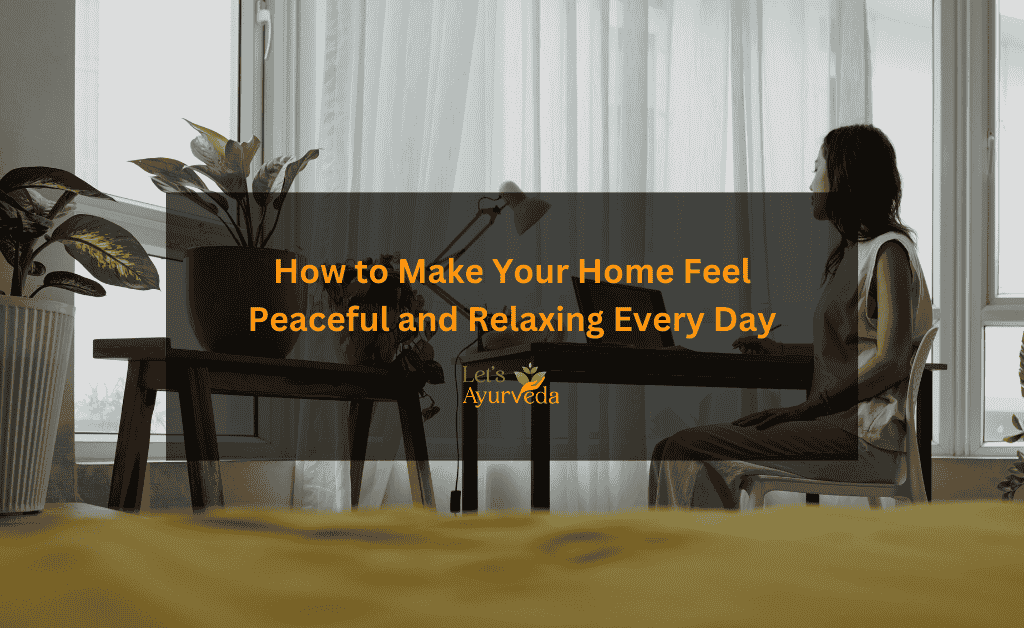
A peaceful home does more than look nice. It helps you feel calm, safe, and settled. When your space feels quiet and balanced, your mind often follows. Stress drops. Sleep improves. You feel more present with your family and yourself. The good news is you do not need a big house or a large budget to create this feeling. Small, simple changes can turn any space into a calm retreat.
In this guide, we will walk through clear, practical steps you can use right away. You will learn how to reduce noise, soften lighting, choose calming colors, and build daily habits that support peace at home.
Why a Peaceful Home Matters
Your surroundings shape how you feel each day. Clutter, noise, and harsh lighting can raise tension without you noticing. A calm space does the opposite. It tells your brain that you are safe and at ease. This can help with:
- Better sleep
- Lower stress
- Improved focus
- Kinder family interactions
- More comfort during rest
When your home feels peaceful, you recharge faster after work or school. You also enjoy simple moments more, like meals, reading, or talking with loved ones.
Start with Decluttering
Clutter is one of the biggest barriers to calm. Too many items in sight can make your brain feel busy. Clearing space often brings instant relief.
Start small. Pick one area like a bedside table, kitchen counter, or entryway. Remove items that do not belong or that you do not use. Keep only what serves a purpose or brings you joy.
Try this simple method:
- Keep
- Donate
- Store
- Discard
Work in short sessions of 10 to 15 minutes. This keeps the task easy and doable. Over time, your home will feel lighter and more open.
Choose Calm Colors
Color strongly affects mood. Bright or very dark shades can feel intense. Soft, natural tones often feel more restful.
Good peaceful color choices include:
- Soft white
- Light beige
- Pale green
- Dusty blue
- Warm gray
You do not need to repaint the whole house. Add calm colors through bedsheets, curtains, rugs, or cushions. Even small color changes can shift the mood of a room.
Use Gentle Lighting
Lighting changes how a space feels. Harsh white light can feel cold and tiring. Warm, soft light creates comfort.
Ways to improve lighting:
- Use warm bulbs instead of cool white
- Add table or floor lamps
- Use curtains to soften daylight
- Avoid very bright overhead lights at night
In the evening, dimmer lighting helps your body relax. It also supports better sleep later.
Bring Nature Indoors
Natural elements calm the mind. Plants, wood, stone, and natural fabrics help a home feel grounded and alive.
You can add nature easily:
- Indoor plants
- Fresh flowers
- Wooden trays or furniture
- Cotton or linen fabrics
- Nature photos or art
Plants also improve air quality and add gentle color. Even one plant in a room can change its energy.
Reduce Noise and Echo
Noise stress is common in busy homes. Constant sound from traffic, TV, or appliances can raise tension.
Try to soften sound:
- Use rugs or carpets
- Add curtains or fabric wall hangings
- Place felt pads under furniture
- Keep TV volume moderate
- Create quiet hours at home
Soft materials absorb sound. This makes rooms feel calmer and less sharp.
Create a Relaxation Corner
A peaceful home should include a space just for rest. It does not need to be large. A single chair by a window works well.
Your relaxation spot might include:
- Comfortable seating
- Soft lighting
- A blanket
- A small table
- Books or a journal
Use this space for calm activities like reading, prayer, meditation, or quiet tea time. When you return to the same place often, your brain begins to link it with rest.
Keep Air Fresh and Clean
Fresh air helps the mind feel clear. Stale or heavy air can make a room feel dull.
Simple ways to refresh air:
- Open windows daily
- Use natural scents like flowers or mild incense
- Avoid strong chemical sprays
- Keep rooms clean and dust free
Clean air often brings a light, peaceful feeling into the home.
Build Calm Daily Habits
A peaceful home is not only about design. Daily routines shape the atmosphere too.
Helpful habits include:
- Making beds each morning
- Washing dishes after meals
- Putting items back after use
- Keeping surfaces mostly clear
- Turning off screens before sleep
These small actions maintain order. They prevent stress from building up again.
Create Gentle Evening Rituals
Evenings strongly affect home mood. Loud activity late at night can disturb rest.
Try calmer evening routines:
- Dim lights after dinner
- Lower sound levels
- Avoid intense news or shows
- Light a candle or lamp
- Spend quiet time with family
This signals that the day is ending. The home slowly shifts into rest mode.
Add Meaningful Personal Touches
Peace also comes from emotional comfort. Items with personal meaning create warmth and belonging.
You might include:
- Family photos
- Handmade items
- Travel keepsakes
- Spiritual symbols
- Favorite books
These objects remind you of connection, memories, and identity. They make a house feel truly yours.
Keep Technology in Balance
Too much screen use can disturb calm. Constant alerts and bright light keep the brain active.
Healthy tech habits at home:
- Keep phones away during meals
- Limit TV time
- Charge devices outside bedrooms
- Silence non-urgent notifications
Less screen noise allows more real rest and presence.
Maintain the Peace Over Time
Creating a peaceful home is not a one-time project. It grows through small, steady care.
Once a week, do a quick reset:
- Clear clutter
- Wipe surfaces
- Refresh flowers or plants
- Adjust lighting
- Return items to place
These short resets keep the calm feeling alive.
Final Thoughts
A peaceful home does not depend on size, style, or cost. It comes from intention. When you remove excess, soften light, reduce noise, and add nature, your space begins to support calm living.
Start with one simple change today. Clear a small surface. Add a plant. Dim a light. Sit quietly in your new calm corner for a few minutes.
Peace at home grows step by step. With time, your space becomes more than shelter. It becomes a place that restores you every day.