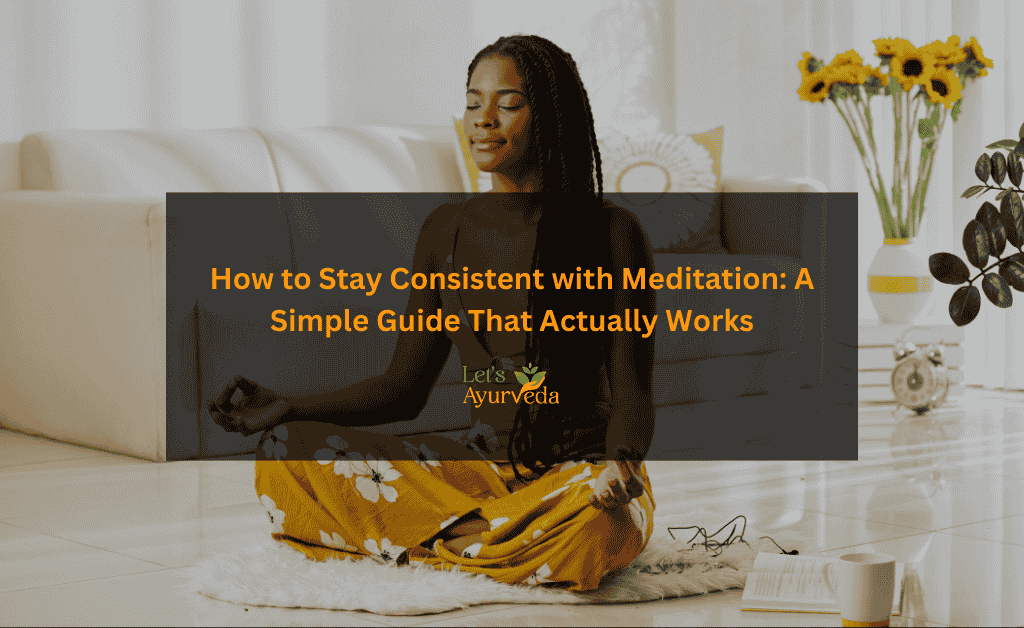
Many people start meditation with excitement. The first few days feel calm and refreshing. Then life gets busy. Work piles up. Motivation drops. Slowly, meditation moves from a daily habit to something you “plan to restart someday.”
If this sounds familiar, you are not alone. Staying consistent with meditation is one of the biggest challenges beginners and even experienced practitioners face. The good news is that consistency is not about strong willpower. It is about creating simple systems that fit naturally into your daily life.
In this guide, we will explore practical and realistic ways to help you stay consistent with meditation without pressure or guilt.
Why Consistency in Meditation Matters?
Meditation works best when practiced regularly. Just like exercise strengthens muscles over time, meditation trains your mind through repetition.
When you meditate consistently, you may notice:
- Better focus during daily tasks
- Reduced stress and emotional reactions
- Improved sleep quality
- Greater awareness of thoughts and feelings
- A calmer response to challenges
Skipping days occasionally is normal. What matters is building a rhythm that keeps bringing you back.
1. Start Small Instead of Starting Perfect
Many people quit meditation because they begin with big expectations. Sitting for 20 or 30 minutes daily can feel overwhelming at first.
Instead, start with 5 minutes a day.
Yes, just five minutes.
Short sessions remove pressure and make meditation easier to repeat. Once the habit feels natural, you can slowly increase the duration. Consistency grows from small wins, not long sessions.
Ask yourself: Can I give five minutes to my mind today? The answer is usually yes.
2. Choose a Fixed Time Every Day
Meditation becomes easier when it connects with an existing routine. Your brain loves patterns. A fixed time reduces decision fatigue.
You can meditate:
- Right after waking up
- Before starting work
- After evening walks
- Before going to bed
Morning meditation works well for many people because fewer distractions appear early in the day. Still, the best time is simply the time you can follow daily.
Think of meditation as brushing your teeth. You do not debate whether to do it. You just do it.
3. Create a Simple Meditation Space
You do not need a special room or expensive setup. A small, quiet corner is enough.
Choose a place where you feel comfortable. You may add:
- A cushion or chair
- Soft lighting
- A plant or calming object
- Minimal distractions
When you sit in the same spot daily, your mind begins to associate that space with calmness. Over time, entering that space itself signals your brain to slow down.
4. Focus on Showing Up, Not Doing It Perfectly
Many beginners believe meditation means having zero thoughts. When thoughts appear, they feel they failed.
That is not true.
Meditation is not about stopping thoughts. It is about noticing them and gently returning your attention to the breath or present moment.
Some days your mind will feel peaceful. Other days it will feel busy. Both are normal experiences. Success in meditation simply means you showed up.
Consistency improves when you remove the idea of perfection.
5. Use Reminders and Habit Triggers
Life gets busy, and forgetting meditation is common. Gentle reminders help build the habit.
Try these methods:
- Set a daily phone reminder
- Link meditation to an existing habit like morning tea
- Keep your meditation cushion visible
- Use a simple meditation timer app
Habit triggers reduce the need for motivation. When meditation becomes automatic, consistency follows naturally.
6. Track Your Progress in a Simple Way
Tracking builds awareness and motivation. You do not need complex journals or apps.
You can:
- Mark a calendar after each session
- Keep a small notebook
- Use a habit tracker app
Seeing a chain of completed days creates a sense of progress. Most people feel encouraged to continue once they notice their streak growing.
7. Be Flexible During Busy Days
One missed session often turns into many missed days because people feel discouraged.
Instead of quitting, adjust.
If you cannot meditate for ten minutes, do two minutes. If sitting feels difficult, try mindful breathing while walking or waiting.
Consistency does not mean rigidity. It means staying connected to the practice even in small ways.
8. Remember Your Personal Reason
Consistency becomes easier when you know why you meditate.
Ask yourself:
- Do you want less stress?
- Better focus at work?
- Emotional balance?
- Improved sleep?
Write your reason somewhere visible. When motivation drops, reconnecting with your purpose helps you continue.
Meditation is not another task on your checklist. It is time you give to your own well-being.
Common Mistakes That Break Meditation Consistency
Avoid these common traps:
- Starting with long sessions too soon
- Expecting instant results
- Comparing your practice with others
- Skipping meditation after missing one day
- Judging your experience as good or bad
Progress in meditation is subtle. Benefits appear gradually through regular practice.
Final Thoughts
Staying consistent with meditation is less about discipline and more about kindness toward yourself. Small daily efforts matter more than occasional long sessions.
Start small. Choose a fixed time. Keep your setup simple. Focus on showing up rather than doing it perfectly.
Some days will feel easy. Others will not. That is part of the journey. Each time you sit down to meditate, you strengthen the habit and build a calmer relationship with your mind.
Begin today with just a few minutes. Tomorrow, return again. Consistency grows one session at a time.
Also Read: understanding consistency vs duration for meditation success