Being a parent brings so much joy - the hugs, the laughter, the special moments you share. But some days, it can feel like too much to handle. Between getting kids ready for school, making meals, working your job, and cleaning up messes, you might feel tired all the time.
Parenting never stops, and that can make you feel stressed and worn out. Maybe you notice you're getting angry at small things, or just trying to get through the day instead of having fun with your family.
In this guide, we’ll explore simple meditation techniques for parents, how to fit them into a busy schedule, and why they work.
When you learn to calm your mind, your whole family feels the difference. You'll handle tough moments better, and your kids will learn good ways to deal with stress too.
Let's look at how meditation can help you feel more peaceful, even when life gets crazy.
Why Parents Need Meditation
Kids bring joy, laughter, and love—but they also bring noise, mess, and unexpected challenges. When stress builds up, it can lead to frustration, exhaustion, and even burnout. That’s where meditation comes in.
How Meditation Helps Parents
1. Reduces Stress – Meditation lowers cortisol (the stress hormone) and helps you stay calm even in tough moments.
2. Improves Patience – A clear mind handles tantrums, sibling fights, and bedtime resistance better.
3. Boosts Focus – Helps you stay present instead of worrying about the past or future.
4. Sets a Good Example – When kids see you meditating, they may want to try it too!
You don’t need a perfect, silent room—just a few minutes to reset.
Simple Meditation Techniques for Busy Parents
1. The One-Minute Breath Check
When chaos hits (like a spilled juice box or a last-minute school project), pause and take one minute to breathe:
- Stop what you’re doing.
- Close your eyes (if possible).
- Breathe in for 4 seconds.
- Hold for 4 seconds.
- Breathe out for 4 seconds.
Repeat until you feel calmer. This trick works anywhere—even in the carpool line!
2. Walking Meditation
No time to sit still? Turn everyday moments into meditation:
- Notice your steps as you walk (heel to toe).
- Feel the ground under your feet.
- Listen to sounds around you without judgment.
Great for grocery runs or pacing the house while waiting for the kids to fall asleep.
3. Gratitude Pause
Before bed (or while waiting for coffee to brew), think of three small things you’re grateful for. Examples:
- A quiet moment with your tea.
- Your child’s laugh.
- A helpful text from a friend.
Gratitude shifts focus from stress to positivity.
4. Affirmation Meditations
Negative thoughts (“I’m failing at this”) make stress worse. Swap them with affirmations like:
- "I am doing my best."
- "I can handle this moment."
- "I choose calm over chaos."
For more affirmations, check out our guide on Affirmation Meditations
5. Body Scan Relaxation
When you’re tense, try this before bed:
1. Lie down and close your eyes.
2. Focus on your toes—notice any tension, then relax them.
3. Move up slowly: feet, legs, stomach, arms, shoulders, face.
4. Take deep breaths as you release each part.
This helps melt away stress from the day.
Making Meditation a Habit (Even with Kids Around)
Start Small
- Aim for 2-5 minutes a day—not an hour.
- Try meditating while the kids nap or after they go to bed.
Include the Family
- Teach your child simple mindfulness activities (like listening to a bell or coloring quietly).
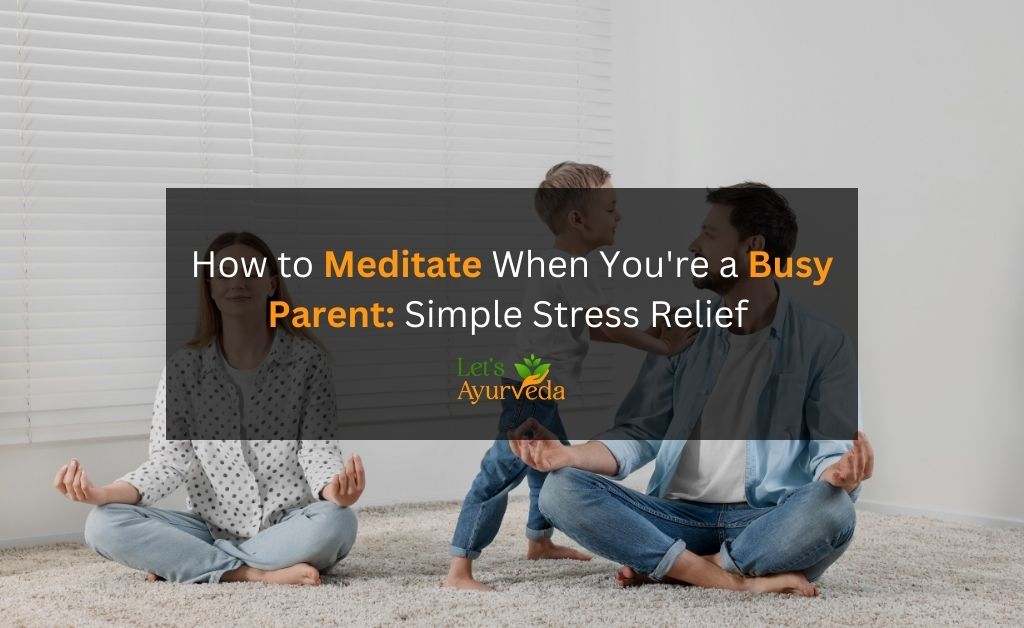
- Do a family meditation—sit together and breathe for one minute.
Use Apps or Audio Guides
- Apps like Headspace or Calm have short parent-friendly meditations.
- Play a guided meditation while folding laundry or cooking.
Be Kind to Yourself
Missed a day? No problem. Meditation isn’t about perfection—it’s about practice.
When Overthinking Takes Over
Parents often worry—*Did I pack the lunch? Am I being too strict? What if they get sick?* Overthinking drains energy. If this sounds like you, try:
- Labeling thoughts: “That’s just a worry, not a fact.”
- Focusing on now: “What can I control right now?”
- Body scans: Tense and relax each muscle from toes to head.
For deeper help, read our post on Meditation for Overthinkers
How Meditation Changes Parenting
1. Better Emotional Control:
Instead of snapping when kids misbehave, meditation helps you pause and respond calmly.
2. More Enjoyment in Small Moments:
When you’re less stressed, you notice the good stuff—like your child’s silly jokes or a quiet hug.
3. Improved Sleep
Even short meditations before bed can help you sleep deeper, so you wake up refreshed.
4. Stronger Family Bonds
When parents are calmer, kids feel safer and more connected.
Final Thoughts
Parenting is messy, beautiful, and exhausting—but meditation can help you stay centered. You don’t need a perfect routine, just a few mindful moments each day. Whether it’s a breathing exercise, a gratitude list, or a quiet walk, small steps add up to big calm.
Try one technique today and see how it feels!
Helpful Resources
For more on meditation and mindfulness, explore these trusted sites:
Mindful.org – Great articles on mindful parenting.
Greater Good Science Center – Research-backed tips for family well-being.
The American Psychological Association – How stress affects parents and ways to cope.