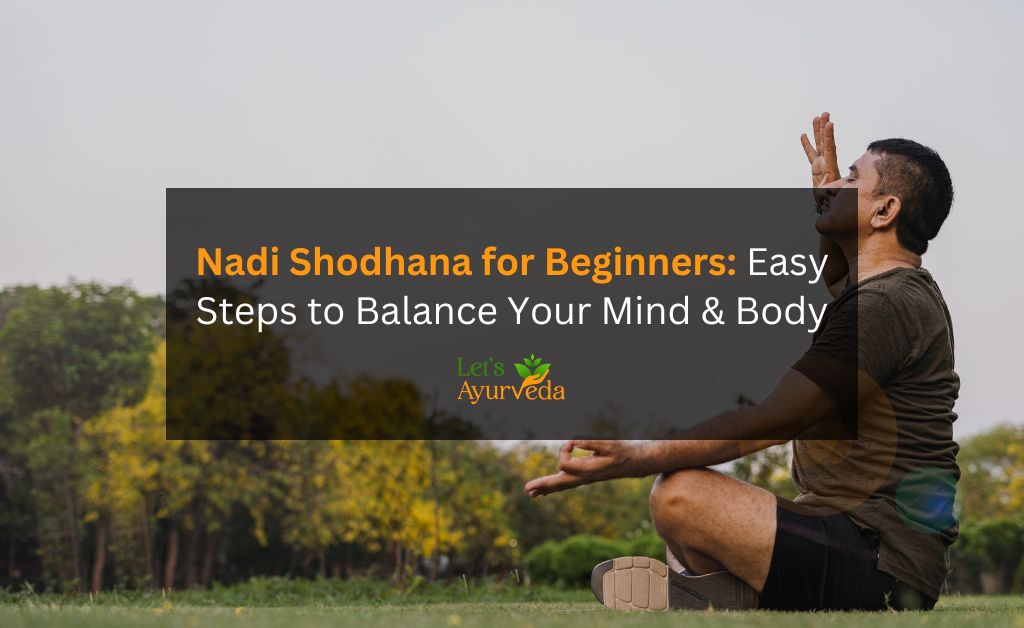
Breathing is something we do every day without thinking about it. But did you know that controlling your breath can help you feel calmer, more focused, and even healthier? One powerful breathing technique from yoga is called Nadi Shodhana Pranayama, also known as alternate nostril breathing.
In this blog post, we’ll explore:
-
What Nadi Shodhana Pranayama is
-
The amazing benefits of this breathing exercise
-
Simple step-by-step instructions to practice it
-
Important precautions to keep in mind
Whether you’re new to yoga or just looking for a way to relax, this guide will help you understand and practice Nadi Shodhana Pranayama easily.
What Is Nadi Shodhana Pranayama?
Nadi Shodhana (pronounced nah-dee sho-dah-nah) is a Sanskrit term that means "channel cleansing breath." In yoga, "Nadis" are energy pathways in the body, and "Shodhana" means purification. This breathing technique helps clear these energy channels, bringing balance to the mind and body.
The practice involves breathing in and out through one nostril at a time, alternating between the left and right nostrils. It may seem simple, but it has powerful effects on your health and well-being.
Benefits of Nadi Shodhana Pranayama
Practicing Nadi Shodhana regularly can help in many ways. Here are some of the top benefits:
1. Reduces Stress and Anxiety
When you feel stressed, your breath becomes fast and shallow. Nadi Shodhana helps slow down your breathing, calming your nervous system and making you feel relaxed.
2. Improves Focus and Mental Clarity
If you have trouble concentrating, this breathing exercise can help. It balances the left and right sides of the brain, improving focus, memory, and decision-making.
3. Boosts Energy Levels
Feeling tired? Nadi Shodhana increases oxygen flow in the body, helping you feel more awake and energized without needing caffeine.
4. Balances Emotions
This technique helps balance emotions, reducing mood swings and promoting a sense of inner peace.
5. Supports Respiratory Health
By clearing the nasal passages and improving lung function, Nadi Shodhana can help with allergies, asthma, and colds.
6. Lowers Blood Pressure
Deep, controlled breathing relaxes the body and can help reduce high blood pressure over time.
7. Prepares the Mind for Meditation
If you find it hard to sit still during meditation, practicing Nadi Shodhana first can help calm your mind and make meditation easier.
How to Practice Nadi Shodhana Pranayama (Step-by-Step Guide)
You don’t need any special equipment to practice Nadi Shodhana—just a quiet space and a few minutes of your time. Follow these simple steps:
Step 1: Find a Comfortable Sitting Position
-
Sit cross-legged on the floor (like in Sukhasana) or on a chair with your back straight.
-
Rest your hands on your knees or thighs.
-
Close your eyes and take a few normal breaths to relax.
Step 2: Prepare Your Hand Position (Vishnu Mudra)
-
Bring your right hand up to your nose.
-
Fold your index and middle fingers inward, keeping your thumb, ring finger, and little finger extended.
-
You’ll use your thumb to close your right nostril and your ring finger to close your left nostril.
Step 3: Start the Breathing Cycle
-
Close your right nostril with your thumb and inhale slowly through your left nostril.
-
Pause briefly at the top of the inhale.
-
Close your left nostril with your ring finger, release your thumb, and exhale slowly through your right nostril.
-
Inhale through the right nostril, then pause.
-
Close the right nostril, open the left, and exhale through the left nostril.
This completes one round of Nadi Shodhana.
Step 4: Continue for 5-10 Rounds
-
Repeat the cycle for 5-10 rounds, keeping your breath smooth and steady.
-
Focus on the sound and rhythm of your breath.
Step 5: Finish and Relax
-
After your last round, lower your hand and take a few normal breaths.
-
Notice how you feel—calmer, more centered, and refreshed.
Precautions and Tips for Safe Practice
Nadi Shodhana is safe for most people, but there are a few things to keep in mind:
1. Avoid If You Have a Blocked Nose
If you have a cold or sinus infection, wait until your nose is clear before practicing. Forcing breath through a blocked nostril can cause discomfort.
2. Go Slow If You’re a Beginner
Start with just a few rounds and gradually increase as you get comfortable. Never force your breath—keep it natural and relaxed.
3. Don’t Hold Your Breath Too Long (If at All)
Some advanced practitioners pause between breaths, but beginners should avoid breath retention (holding breath) to prevent dizziness.
4. Stop If You Feel Dizzy or Lightheaded
If you feel uncomfortable, return to normal breathing and rest.
5. Avoid Right After Heavy Meals
Wait at least 2-3 hours after eating before practicing pranayama for better comfort.
6. Consult a Doctor If You Have Health Conditions
If you have heart problems, high blood pressure, or respiratory issues, check with a doctor before starting any new breathing exercises.
When Is the Best Time to Practice Nadi Shodhana?
-
Morning – Great for starting the day with focus and energy.
-
Evening – Helps release stress before bedtime.
-
Before Meditation – Prepares the mind for deeper practice.
Even 5 minutes a day can make a big difference!
Final Thoughts
Nadi Shodhana Pranayama is a simple yet powerful breathing exercise that can help you feel calmer, more focused, and full of energy. Whether you’re dealing with stress, need better concentration, or just want to improve your overall well-being, this practice is a great tool to add to your daily routine.
Try it today and see how it makes you feel! Remember, consistency is key—the more you practice, the greater the benefits.
Have you tried Nadi Shodhana before? Share your experience in the comments below!